Community Court Upkeep: The Unsung Heroes of Net and Machine Maintenance Supplies
Geschrieben von Logan Vogel · 20.8.2026
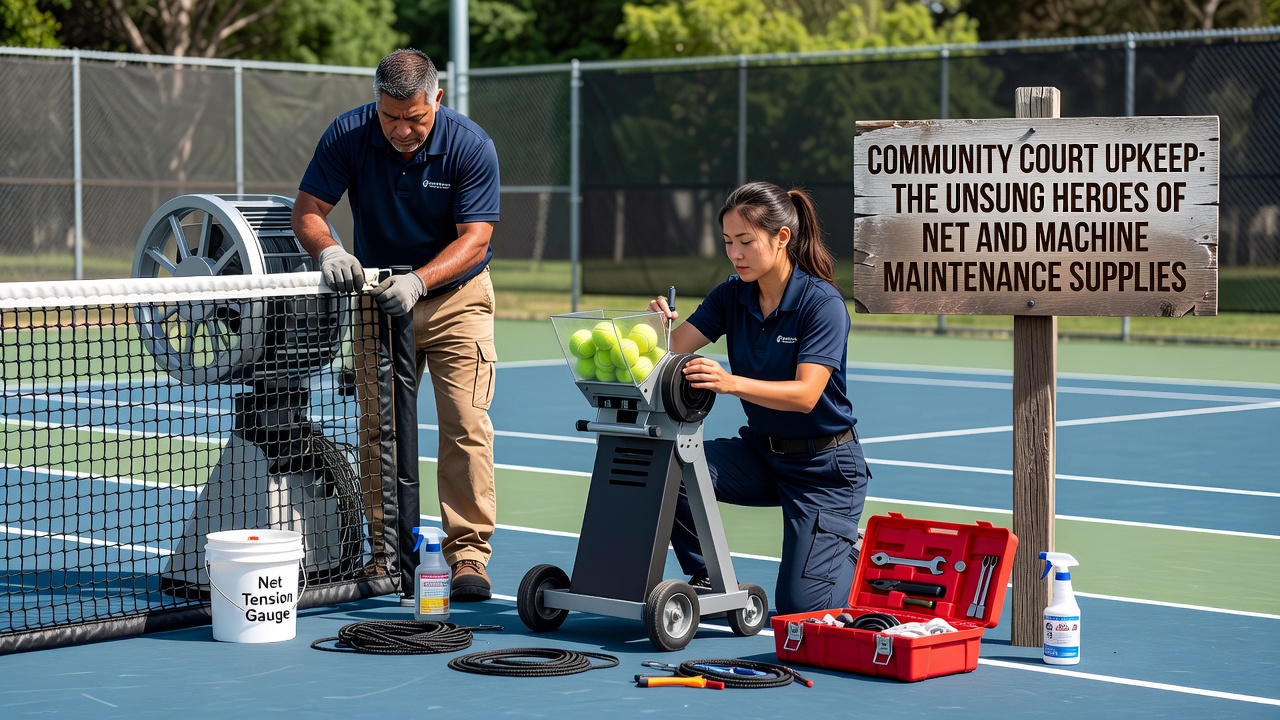
Community Court Upkeep: The Unsung Heroes of Net and Machine Maintenance Supplies
Community sports facilities rely on consistent attention to nets, ball machines and related hardware because daily use creates wear that affects safety and performance, while regular upkeep extends equipment life and keeps courts available for players throughout the year.
Core Elements of Court Maintenance Programs
Maintenance teams manage nets by inspecting tension cables, replacing frayed mesh sections and lubricating pulleys so that play remains consistent, and they service ball machines through filter cleaning, battery checks and sensor calibration because dust and moisture accumulate quickly in outdoor settings. Supplies such as UV-resistant twine, corrosion-resistant hardware and manufacturer-specified lubricants form the basis of these routines, and facilities that stock these items report fewer emergency repairs according to records kept by several regional recreation departments.
Observers note that net upkeep often starts with weekly tension tests followed by monthly deep cleaning, whereas machine maintenance follows a quarterly schedule that includes internal component reviews and software updates when available. Those schedules help prevent sudden failures during peak seasons, and communities that follow them find that courts stay operational longer without major capital outlays.
Supplies That Support Reliable Operations
Essential items include replacement nets made from weather-treated polyethylene, spare wheels and belts for ball machines, along with cleaning solvents formulated for outdoor electronics. Facilities also keep calibration tools and protective covers on hand because exposure to sun and rain accelerates material breakdown. Research from sports infrastructure studies shows that using purpose-built supplies rather than generic alternatives reduces replacement frequency by measurable margins over multi-year periods.
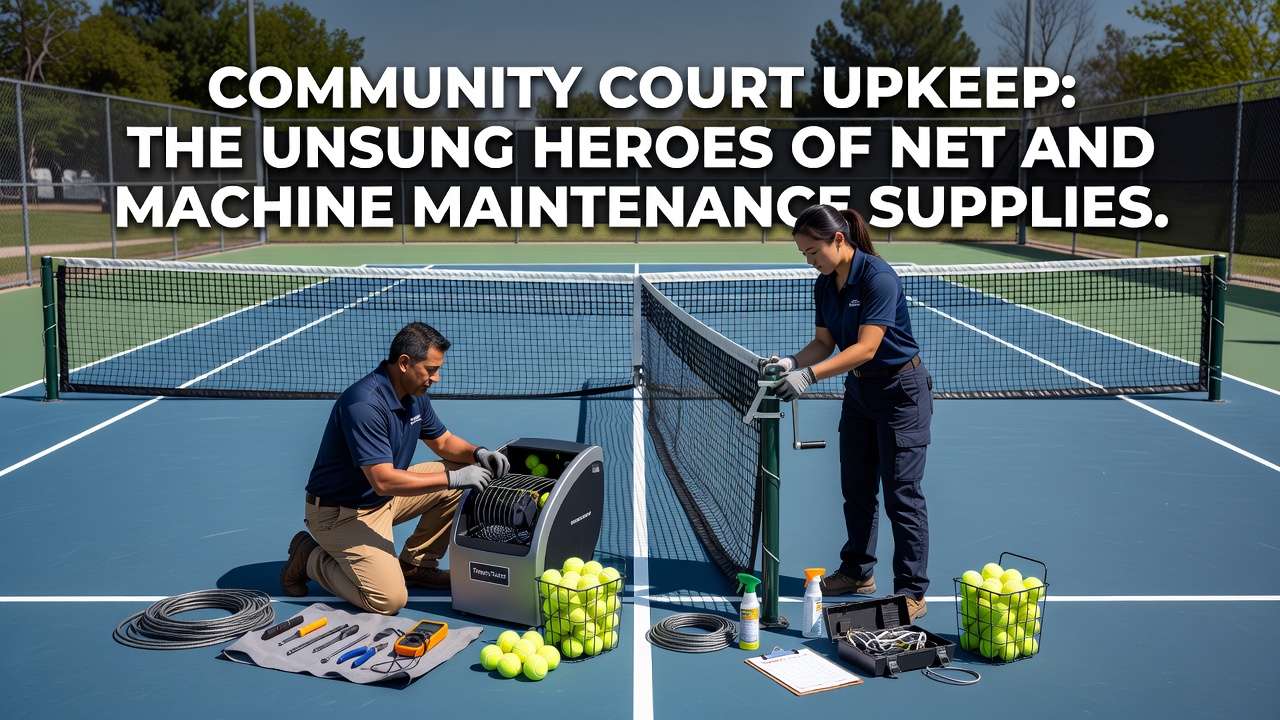
Supply inventories are typically tracked through simple digital logs that flag reorder points, and this practice helps smaller community groups avoid stockouts during busy summer months. What's interesting is how minor items like cable ties and anti-rust sprays contribute to overall system stability when applied consistently.
August 2026 Developments in Maintenance Standards
Industry groups have scheduled updated training modules for release in August 2026 that cover new sensor technology for ball machines and revised net tension guidelines based on recent material testing. These sessions, organized through international sports facility networks, aim to standardize practices across regions and incorporate feedback from maintenance crews who work in varied climates. Data collected through 2025 indicates that facilities adopting similar updated protocols experienced fewer downtime incidents, and the upcoming modules build on that evidence.
European and North American recreation associations have contributed to the content, while Australian and Canadian counterparts provided climate-specific case examples that illustrate how humidity and temperature swings affect net fibers and machine motors differently. Participants who complete the modules receive certification that many municipalities now list as a preferred qualification for court staff.
Case Examples From Active Facilities
One regional park district in the Midwest implemented a rotating supply checklist that pairs net inspections with machine diagnostics every other week, and staff there documented a 30 percent drop in unplanned service calls after the first year. Another group operating coastal courts introduced protective netting sleeves and quarterly battery replacements, which extended machine service intervals according to their internal logs. Observers who reviewed both programs noted that the common factor was steady access to the right supplies rather than large budget increases.
Researchers at several universities have examined these patterns through facility audits, and their reports highlight how proactive supply management correlates with higher court utilization rates. The studies emphasize measurable outcomes such as reduced repair costs and longer equipment lifespan without making claims about player satisfaction.
Conclusion
Community court upkeep depends on dedicated routines and targeted supplies that keep nets and machines functioning, and the teams who perform this work operate largely out of view yet determine whether facilities remain usable. Records from multiple regions show that consistent attention to these details supports ongoing access for players while controlling long-term expenses. As new standards roll out in August 2026, facilities that integrate updated practices with their existing supply systems stand to maintain reliable operations across changing conditions.