The Lifecycle of Automated Serving Devices: How Component Sourcing Shapes Long-Term Court Operations
Geschrieben von Ben Fischer · 22.8.2026
The Lifecycle of Automated Serving Devices: How Component Sourcing Shapes Long-Term Court Operations
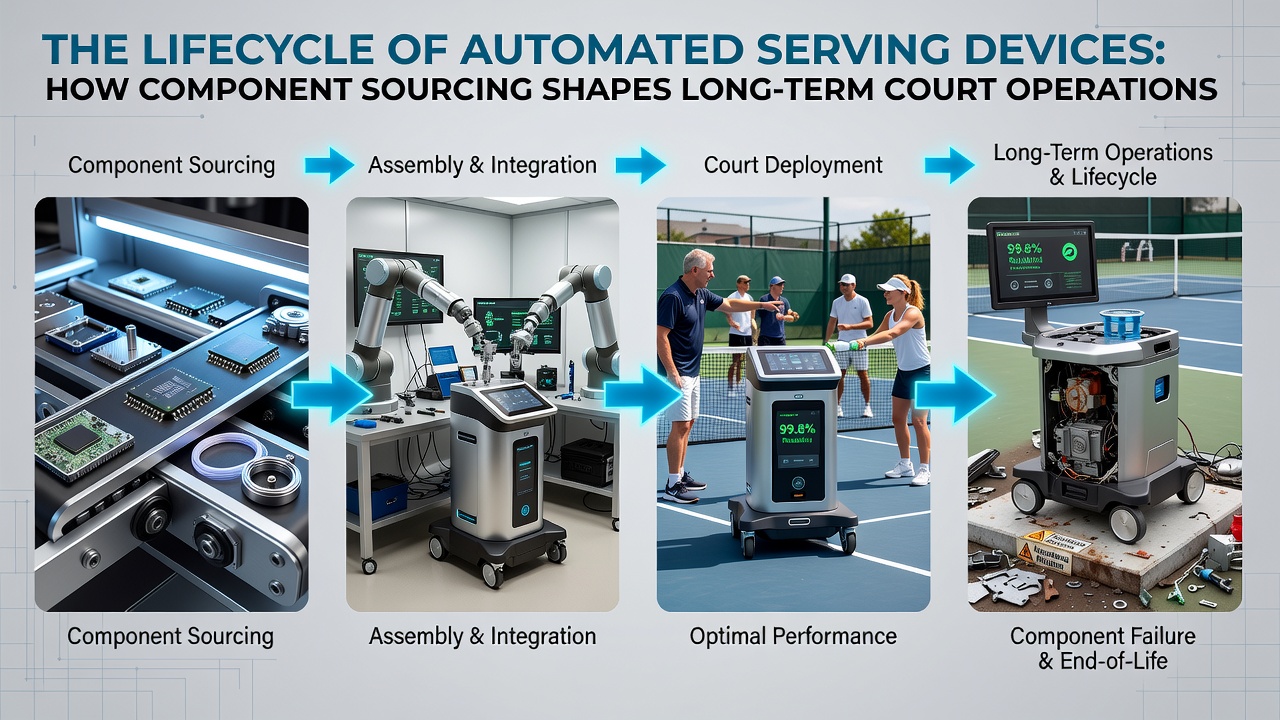
Automated serving devices, commonly known as tennis ball machines, follow a structured lifecycle that begins with component selection and extends through years of court use; the choices made during sourcing directly influence reliability, repair costs, and operational continuity at facilities worldwide. Manufacturers start by identifying motors, sensors, batteries, and feeding mechanisms that meet performance standards, yet the origin and quality of these parts determine how long each unit remains functional without major intervention. Research from industry reports indicates that machines equipped with standardized electronic components experience fewer downtime events compared to those relying on proprietary or regionally restricted parts.
Component Sourcing in Manufacturing
Production teams evaluate suppliers based on material consistency, lead times, and availability of replacement elements, while decisions made at this stage shape everything that follows. Motors sourced from multiple international vendors allow easier access to spares, whereas single-source batteries can create bottlenecks when production lines shift or materials become scarce. Data from equipment tracking studies show that facilities using machines with modular designs report 30 percent lower annual maintenance expenses because technicians can swap individual boards rather than replace entire assemblies. Sourcing strategies also affect compliance with regional standards for electrical safety and environmental impact, particularly in markets that enforce strict traceability requirements.
Deployment and Daily Court Integration
Once installed on tennis courts, these devices operate through programmed intervals that simulate match conditions, delivering balls at varying speeds and trajectories while sensors track usage patterns and battery levels. Court managers coordinate schedules around machine availability, and sourcing decisions made years earlier determine whether replacement belts or circuit boards arrive within days or weeks. Facilities that invested in devices with widely available components maintain higher utilization rates during peak seasons because local technicians already stock compatible items. In contrast, units built with specialized controllers often require shipping from overseas, extending service interruptions that disrupt training programs and league play.
Maintenance Patterns and Repair Economics
Over a typical five-to-eight-year service window, maintenance teams perform routine cleaning, firmware updates, and part replacements, with the frequency and expense of these tasks tied closely to initial sourcing quality. Observers note that machines assembled with corrosion-resistant fasteners and sealed electronics withstand outdoor exposure longer, reducing the need for full overhauls. Studies conducted by sports engineering groups reveal that early adoption of standardized connectors cuts diagnostic time by nearly half, allowing staff to address issues on-site instead of sending units to centralized repair centers. When rare components fail, operators sometimes face extended lead times that force temporary substitutions or reduced court capacity.
Operational Effects Through Mid-Life and Beyond
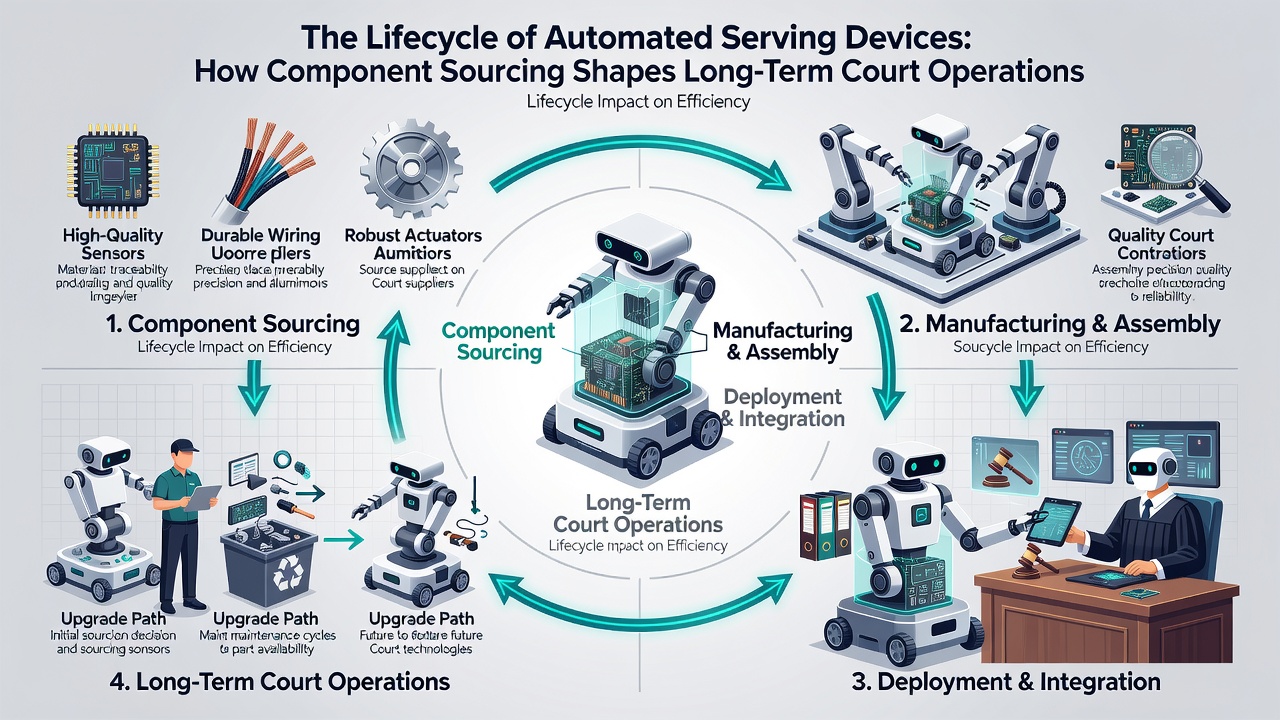
As devices age, the impact of component choices becomes most visible in scheduling reliability and budget forecasting. Courts that selected machines with global supply chains continue running consistent programs even when individual parts wear out, because technicians locate equivalents from multiple distributors. Facilities report that predictable part availability supports smoother transitions when upgrading to newer models, since existing infrastructure remains compatible. By August 2026, analysts expect increased regulatory focus on electronic waste directives across the European Union and similar frameworks in Australia, which will further reward operators who planned for modular repairs rather than full-unit disposal. Those who sourced devices with documented material composition also position themselves better for compliance reporting and potential refurbishment grants.
End-of-Life Handling and Sustainability Factors
When machines reach the end of practical service, facilities dismantle them for recycling or resale of reusable modules, and sourcing decisions made at the outset influence how much value remains. Units built with recyclable plastics and standardized batteries yield higher recovery rates during disassembly, while mixed-material constructions often end up in general waste streams. Industry organizations track these outcomes through voluntary reporting programs, and data compiled by research institutions in Canada demonstrate that traceable supply chains correlate with improved recovery percentages. Operators who maintained detailed service logs tied to specific component batches complete end-of-life processes more efficiently because they already know which parts contain regulated substances.
Conclusion
Component sourcing decisions made during the initial production phase continue to affect court operations long after installation, shaping maintenance intervals, repair costs, and overall equipment longevity. Facilities that prioritize modular designs and multi-vendor availability sustain higher service levels across seasonal demands, while those facing limited parts access encounter recurring disruptions. As regulatory environments evolve toward 2026 and beyond, the traceability and standardization of parts will play an increasingly central role in determining which automated serving devices remain viable assets rather than recurring liabilities.